Showing posts with label study. Show all posts

Tuesday, October 23, 2012

No Call of Duty before bed! Study finds that video games disrupt sleep

call of duty black ops 2

Flinders University has published findings that suggest playing video games before bed can cause significant sleep problems, but the study doesn't distinguish whether it's the games or the screen that's causing trouble.

For those Madden NFL and Call of Duty: Black Ops 2 players sinking hours into their consoles this fall, the best time to play is in the evening. Whether it’s down time post school or at the end of the work day, it’s the scant hours before bed that are ideal for gaming with other people. Unfortunately, according to one medical study, that’s the absolute worst time for you to be playing video games.

A report at MedicalXpress (via MCV) detailed a study that found “prolonged video gaming immediately before bed caused significant sleep disruptions in a group of teenage boys, even when they fell asleep at their usual bedtime.”

Australia’s Flinders University Sleep Lab used a test group of 17 people who played a “newly released, fast-paced, violent video game” for between 1 and 2.5 hours over two nights. Those that only played for 1 hour didn’t see their sleep disrupted significantly, but those that played for up to 2.5 hours lost about 27 minutes of sleep, and a 39 minute delay in actually falling asleep. The worst impact is the loss of quality REM sleep, though.

“While they went to bed at their regular bedtime, the adolescents’ still experienced significant sleep disruptions caused by frequent awakenings throughout the night,” said Sleep Lab’s Dr. Michael Gradisar, “Sleep is made up of many different stages and the REM sleep, also known as the dreaming sleep, was reduced by 12 minutes among the teens who played for over two hours. This may not seem like a significant reduction but REM plays an important part in helping us remember content we learnt that day so for adolescents in their final years of school who are revising for exams, winding down at night with a video game might not be the best idea.”

Any parents reading this shouldn’t rush off to tell their kids that Xbox rules are about to change, though. It’s difficult to say whether it’s the games or the actual screen technology that’s causing the problems reported in the Flinders study. A National Sleep Foundation survey conducted in 2011 found that there is a significant correlation between sleep disruption and using any electronic device with a backlit screen—including gaming machines, smartphones, televisions, and computers—before bed. Those findings weren’t new either. A study conducted at Osaka University in 2007 found that “media use before sleep can trigger (self-perceived) insufficient sleep.”

Maybe the solution is to take the classic old codger advice before bed: Read a book. A paper one.


Source : http://www.digitaltrends.com/mobile/no-call-of-duty-before-bed-study-finds-that-video-games-disrupt-sleep/
Tuesday, October 16, 2012

U.S. smartphone owners pay 3-10 times more for 4G LTE data, says study

4G LTE

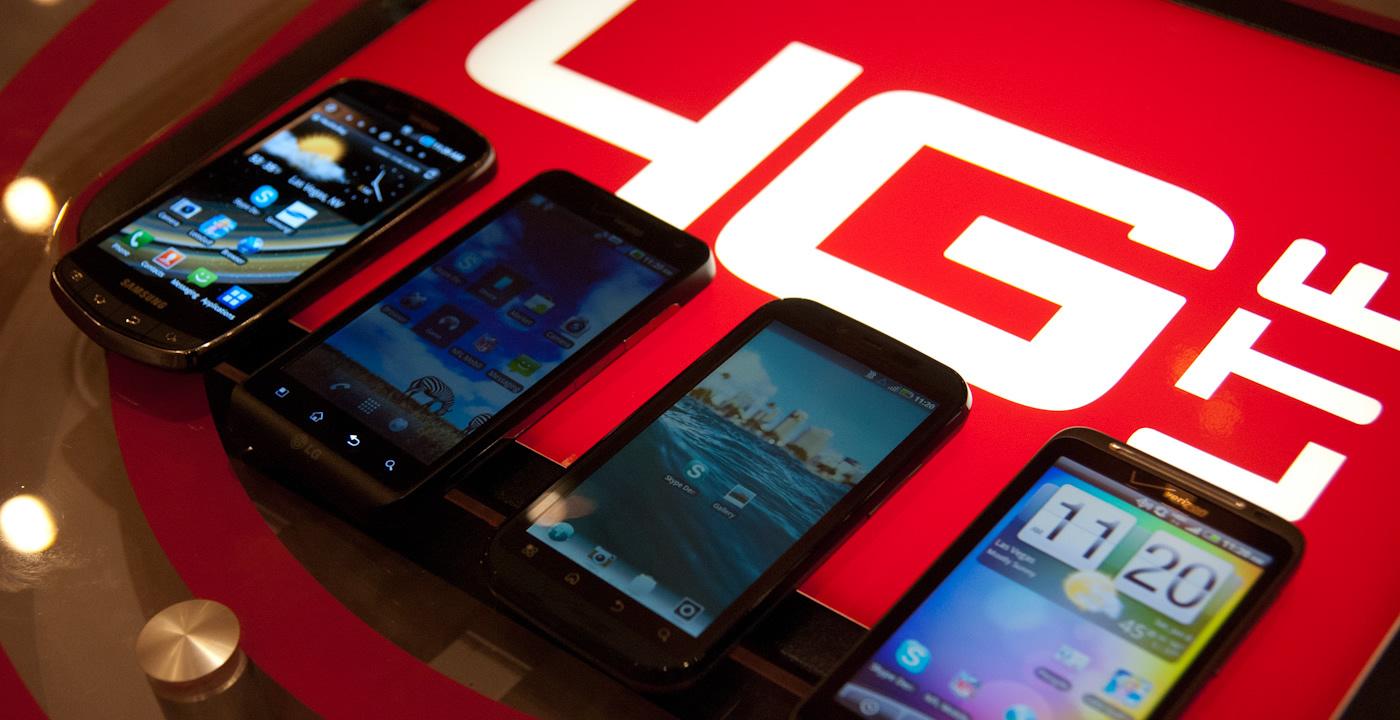
According to a recent study, Americans pay three times as much for their LTE network service than most Europeans -- and nearly ten times more than what Swedish citizens pay.

We can now add 4G LTE service to the list of things Americans pay significantly more to have than the rest of the world — right next to education and health care. According to a GSM Association study reported by the New York Times, Americans pay three times more per gigabyte of data than the average European consumers — and ten times more than Sweden. But at least we can get a large pizza for just $5, right America?

The study revealed that America’s leading LTE provider, Verizon Wireless, charges its subscribers $7.50 for every gigabyte of data downloaded over its network. In comparison, the average cost of a gig in Europe is $2.50. Sweden leads the way in inexpensive service, with data only ringing up at $0.63 per gigabyte.

Verizon spokeswomen Brenda Raney did counter this information by pointing out the Verizon plan that is being compared is from its Share Everything plan, which includes unlimited call and text minutes and allows data to be shared among ten devices. If a person was to purchase a data only plan, similar to how the European providers offer service, they would only pay over twice the European average with a cost of $5.50 per gigabyte. Of course, Europeans separate talk and data plans, though. Verizon, on the other hand, is forcing all new users to sign up for Share Everything plans. And though you can connect up to 10 devices to an account, there is a monthly fee per device, which ranges from $10 to $40. 

Verizon was the first company to roll out 4G LTE in the United States, followed by AT&T. Verizon still owns the market with 11.6 million LTE subscribers (AT&T reports just short of a million), or about 43 percent of the world’s 27 million LTE users. The lone country to beat Verizon to market just happens to be the cheapest: Sweden. The cost gap seems to have everything to do with competition, though. Europe has 38 of the world’s 88 LTE providers fighting for subscribers. Austria and Finland have three within their borders alone. Meanwhile, the world’s largest market for mobile, the United States, is still playing catch up in this regard.

This has actually been a trend with phone service in the United States. The average cost of a 3G contract runs an American citizen $115 a month. In comparison, citizens of the Netherlands pay $51 and those in Britain pay $59. The higher costs keep the adoption rate at a slow climb, which in turn keeps the cost up on those that have jumped on board because the provider has to recoup costs from building  the network. It’s a self-perpetuating cycle that is very American: Pay more, consume more, and get less.


Source : http://www.digitaltrends.com/mobile/us-phone-owners-pay-too-much-for-lte-study/