Monday, December 3, 2012

HTC Titan III pops up in Xbox Live Rewards survey

HTC Titan III pops up in Xbox Live Rewards survey
Time for another Titan? (credit: WPCentral)

An Xbox Live Rewards survey may have just revealed a third Windows Phone 8 offering by HTC, the Titan III, leading us to wonder if the Taiwanese phone maker might not be saving the best for last.

In a monthly questionnaire that asked Rewards participants how excited they would be to receive certain smartphones as a gift, one of the phones named was this unreleased HTC handset.

The Titan III was innocuously mixed in among devices like the iPhone 5, Droid Razr Maxx HD, Lumia 920 and Galaxy S3.

Though HTC has a Titan II on the market, the III may also be the previously rumored HTC Zenith. Named among the HTC Rio and HTC Accord (which were eventually released as the Windows Phone 8S and Windows Phone 8X), the Zenith was to be the marque WP8 phone, one due out later than its predecessors.

Top dog

The Zenith cropped up mid-summer and was said to house a 4.7-inch 720p Super LCD 2 screen and quad-core Snapdragon processor, a chip that trounces the 8X's 1.5GHz dual-core.

An 8MP camera - the same found mounted in the Windows Phone 8X - and 42Mbps HSPA+ are also rumored features for the phone, which, if it's ever released, would be HTC's top-end Windows Phone 8 handset.

The addition of the third "I" could very well be a typo by the Xbox Live Rewards crew, though the Titan II debuted early last year and hardly fits in the new-phone time frame of the other gift options.

While we probably won't see it before 2012 punches out, there stands an excellent chance HTC is waiting until the Consumer Electronics Show (CES) next month to unveil the Titan III.

TechRadar asked HTC for comment and was told the company cannot comment on rumors and speculation.

Until we know more about the Titan III (or a possible over-anxious typer over at Xbox Live) check out our CES 2013 hub page for all the latest rumors, reports and news for the Vegas show.


Source : http://www.techradar.com/news/phone-and-communications/mobile-phones/htc-titan-iii-pops-up-in-xbox-live-rewards-survey-1116883

Adblock Plus moves to Android, but will it hurt the app economy?

AdBlock Plus

AdBlock Plus is making the jump from browser plug-in to Android app. Do we need to block mobile ads, or is this bad news for users and app developers?

At this point, most Internet users are used to being accosted by online advertising. Whether generic banner ads, skyscrapers, text-based touts from the likes of Google and Amazon, sponsorships, fly-outs, fly-overs, or even the dreaded pop-up windows, ads have been part of the browsing experience almost as long as the Web browser itself. However, while online advertising continues to be big business, mobile advertising is growing at a record pace. Hundreds of millions of consumers are spending their quality time on smartphones and tablets – and, by and large, those devices are happily sharing many details of user’s lives (including contacts, location, and online activities) with advertisers, who collate it all then attempt to deliver mobile ads based on what they can discern about those users’ tastes and habits.

Some of the most popular add-ons for desktop Web browsers are ad blockers: basically, software that identifies different types of online advertising and prevents them from loading based on users’ preferences. Now, Adblock Plus, one of the most popular ad-blockers for the desktop, has made the jump to Android. It’s available on Google Play and directly from the developer.

Like its desktop counterpart, Adblock Plus for Android can block advertising appearing in most mobile browsers – like Chrome, Firefox, Opera, and the default browser built into older versions of Android. However, it can also block ads appearing in many apps – and given how many apps try to support themselves via mobile advertising, ad blocking could mean developers need to re-think their apps – or at least rethink their advertising.

Do we need mobile ad blocking? Does ad blocking improve the experience of using our mobile devices? Or does it have consequences that may make those devices less useful in the future?

How Adblock Plus for Android works

AdBlock Plus (cartoon, desktop)

Adblock Plus got started way back in 2002 as a browser extension called “AdBlock,” but (despite popularity) it was largely abandoned for years until Wladimir Palant came along in 2006 and re-wrote it from the ground up. The project is now in the hands of startup Eyeo, but Palant is still the lead developer. Adblock Plus is free, but accepts donations to support development.

At a basic level, Adblock Plus is a filter that sits between a Web browser and the Internet. Each time the Web browser requests something from a remote site (whether that be a Web page, an image, a script, or something else), Adblock Plus quickly compares the request against a sizable (and constantly-changing) list of identifiers known to be associated with online ads. If there’s a match, Adblock Plus blocks the request, and voilà: the ad never appears. Adblock Plus also has other tricks that can hide some ads that get past its lists. Users are free to make their own lists, as well as choose between different filter sets and modify their criteria.

Adblock Plus’s system relies on constantly-updated lists to identify ads, and by default it lets “acceptable ads” through – basically, ads Eyeo feels are done responsibly and aren’t annoying. (Users can choose to block all ads via a manual setting.) Nevertheless, Adblock is tremendously popular and is available as a browser extension for Firefox, Chrome, Opera, and K-Meleon (but notably not for Internet Explorer or Apple’s Safari). Adblock Plus claims 15 million daily users and more than 100,000 downloads a day. At the beginning of 2012, Eyeo co-founder Till Faida estimated about 3.5 percent of desktop Internet users had Adblock Plus installed – and in Germany (where Adblock Plus’s developers are based) that number was 12 percent.

AdBlock Plus Android

Adblock Plus’s approach on Android is a little different. Most Android browsers do not allow for browser extensions (Firefox being an exception). Also, while ads certainly appear in mobile Web browsers, most mobile ads are actually served to mobile apps, meaning browser-based filtering can’t block them at all.

So, Adblock Plus for Android runs as a background application that attempts to filter all Web traffic on Android 2.1 or higher, using the same filtering lists as the desktop versions of Adblock Plus. However, traffic filtering possibilities on Android devices are more limited than desktop computers, so there are some limitations:

  • On Android 3.0 and older, Adblock Plus needs to be manually configured as a proxy server. If a device doesn’t support proxy configuration, it can’t use Adblock Plus.
  • On stock Android devices running Android 3.1 or higher, Adblock Plus will be able to filter ads over Wi-Fi only. It won’t be able to filter over mobile connections.
  • On rooted Android devices, Adblock Plus can filter all unencrypted Web traffic from browsers or apps, but:
  • Ads served via SSL-encrypted Web sites get through no matter what.

Eyeo notes Adblock Plus for Android is in early development stages; possible future features include more security and privacy features to enable users to better customize their experience.

The upside of blocking mobile ads

online ads phone (shutterstock, keith bell)

The most obvious reason to consider blocking mobile ads is the same as blocking ads in a desktop browser: plenty of ads are annoying. Whether they’re flashing banners, overlays that get in the way of content, pre-rolls before a video, or sneaky things interwoven with (and often indistinguishable from) actual content, mobile ads can be a tremendous frustration. Moreover, on mobile devices screen space is at a premium, and every pixel devoted to mobile advertising is that much more scrolling and fussing users have to do to simply use their devices. Moreover, for folks on mobile data connections rather than Wi-Fi, all the bandwidth consumed by ads can count against monthly data limits. (And it’s not unusual for 75 percent or more of the data transfer in a Web page to be taken up by ads.) Eyeo claims these savings from Adblock Plus for Android can make browsing up to 40 percent faster.

On mobile devices, users also need to consider privacy and security. On Android in particular, apps are infamous for sharing users’ personal data without asking (like phone numbers, contacts, location, even messages). Much of this “leaking” personal information is associated with ad networks, particularly in ad-supported and “freemium” applications that try to support themselves using mobile advertising. Worse, there’s no way for users (or even app developers) to know whether the ad networks they’re supporting in their programs are reputable: plenty of mobile ads are misleading, while others are outright scams or try to trick users into installing malware.

Adblock Plus doesn’t take the position that all advertising is bad; in fact, before it decided to let “acceptable” advertising through by default, a survey of its users found that only about 25 percent wanted to block ads altogether. The majority of users were fine with ads that weren’t annoying, intrusive, or malicious.

“Most people realize that ads are necessary for free content and products, said Eyeo co-founder Till Faida via email. “We have noticed a trend that mobile ads are becoming increasingly intrusive that’s why we think it is the right time to launch Adblock Plus for Android now in order to incentivize better advertising practices.”

The downside of blocking mobile ads

phone sale ad (shutterstock, denys prykhdov)

Not everyone will want to block mobile ads. While there are absolutely obnoxious mobile ads (and normal ads on everyday Web sites can be atrocious in mobile browsers), many mobile users aren’t bothered by them at all. Individual mobile advertising experiences vary widely with usage. Some people see almost no mobile advertising, particularly if they tend to use paid apps that get their revenue directly from users. Moreover, some people actually like mobile ads: after all, mobile ads are the kinds of things that might offer you a 25-percent-off coupon next time you wander by a local coffee shop.

If blocking mobile ads became widespread, it could impact development of mobile apps. After all, many “free” apps are ad-supported: users don’t have to pay anything up front for the app, in exchange for being shown advertisements. App developers get revenue based on the number of people who view and jump into those ads: if the number of people viewing and clicking those ads declines significantly, so does the revenue going to the developer – and, eventually, that could mean fewer apps, or at least fewer free, ad-supported apps.

Developer Eyeo hopes both developers and mobile ad networks will take notice of Adblock Plus for Android and choose to focus on “acceptable” mobile ad formats – which would presumably be let through Adblock Plus’s filters by default.

“We have only launched the app and the user base is way to small for now,” noted Eyeo co-founder Faida. “But in the future, when Adblock Plus for Android has reached a certain level of popularity, we will make sure to find a reasonable middle ground between app developers and our users.”

It could be a fine line: on the desktop, Adblock Plus has already engaged in a few arms races with advertising networks, some of which have come up with ways to detect whether Adblock Plus’s common filters are in effect and either serve ads to those users another way or (in a handful of cases) refuse to let users access the content unless they allow ads or disable Adblock Plus. So far, Adblock Plus’s filter lists have quickly caught up with these cases, but there’s always the possibility ad networks will choose to fight rather than play nice. Similarly, mobile ad networks might just shift to SSL connections and sidestep Adblock Plus entirely – at least for now.

There’s also a question about whether Adblock Plus will gain enough traction on mobile devices that advertisers will even pay attention to it. While Android is the market leader in smartphones – so Adblock Plus has a lot of potential users – it’s only Android’s comparatively open architecture: a product like Adblock Plus isn’t currently possible for closed platforms like iOS or Windows Phone.

Bottom line

Whether or not you’re personally bothered by mobile ads, most Internet users want to be in control of their devices and their own Internet experience. That includes what browsers and apps to use, and whether or not they’re willing to disclose personal information to advertisers and marketers.

“Adblock Plus comes in by putting users in control over what kind of ads they are willing to accept,” wrote Faida. “On mobile there is also the added benefit of increased security and blocking ads saves bandwidth and screen size consumption.”

Even though this first version of Adblock Plus for Android has some significant limitations, it gives users more options and the ability to control their browsing and app experiences. That seems like a step in the right direction.


Source : http://www.digitaltrends.com/mobile/adblock-plus-moves-to-android-boon-or-bust-for-mobile-ads/

Samsung "Project J" may arrive in April as Galaxy S IV

Samsung
Fourth time's a charm? Samsung Galaxy S IV rumored for April debut

Samsung's Galaxy S III has enjoyed quite a ride in 2012, and there's little doubt the manufacturer is already hard at work readying a follow-up for next year, which could be the recently-leaked handset codenamed "Project J."

SlashGear reported Monday that Samsung may already have its next flagship Android smartphone lined up for an April, 2013 launch, which promises to one-up the Galaxy S III that has kept the company flying high throughout 2012.

Codenamed "Project J," the presumed Samsung Galaxy S IV is rumored to include a five-inch 1080p display, quad-core processor, at least 2GB of RAM and a 13MP rear camera.

Assuming the rumors pan out, it seems likely Samsung will use the Consumer Electronics Show next month in Las Vegas to announce the fourth chapter in the company's popular Galaxy S lineup.

And that's not all

The same report also noted that a less-expensive Samsung Galaxy Note II may soon be winging its way to the European market as well.

To facilitate the cheaper price, Samsung is likely to ditch the stylus and downgrade the AMOLED display used on the current model.

Last but not least, Samsung may be readying a 13.3-inch tablet to take on rival ASUS and their well-received Transformer series, complete with QWERTY keyboard dock.

Aside from the rumored April date for "Project J," there's no further word on when Samsung might bring these leaked products to market next year.


Source : http://www.techradar.com/news/phone-and-communications/mobile-phones/samsung-project-j-may-arrive-in-april-as-galaxy-s-iv-1116878

Apple to meet its target, will sell the iPhone 5 in more than 100 countries by December 21

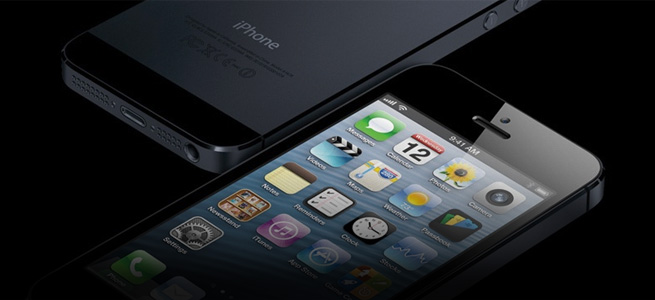
Apple will add more than 50 countries to the list where the iPhone 5 is available over the coming weeks, meaning despite a rocky start, it will surpass its own target of offering the phone for sale in more than 100 countries by the end of the year.

It appears Apple has finally solved its iPhone 5 production problems, as not only have delivery times dropped to a considerably more acceptable time through its online store, but the company has announced more than 50 countries will be receiving its latest smartphone over the coming weeks.

Things looked rosy last week, as Apple confirmed the iPhone 5, along with the new iPad 4 and the iPad Mini, would be arriving in China on December 14, plus an unlocked, SIM-free iPhone 5 went on sale in the U.S. through the online Apple Store too. It still has a one week turnaround before it ships, but in certain other stores — Australia for example — the shipping time has dropped to between two and four business days.

Who’s up next then? South Korea will get its own dedicated release day on December 7, followed by a host of countries including Russia, Saudi Arabia, the UAE, Turkey, Israel, Cyprus, Malaysia and of course, China on December 14. Then, on December 21 everyone from Barbados to Vietnam will be added to the list. In total, Apple will bring the iPhone 5 to another 55 countries by December 21.

This is added to its existing total of 47 countries where the smartphone is already on sale, meaning in a few short weeks time, the iPhone 5 will be able to be purchased in 102 countries around the world. This is an important figure, as it has not only surpassed the iPhone 4S’s 70-country availability at the end of 2011, but it’s also — crucially — two more than Apple’s self-imposed target of 100 countries by the end of the year.

The last time we looked at Apple’s international rollout schedule, it was beginning to look like its plan to engineer a record-breaking final quarter would backfire, and demand would so drastically outstrip supply, that sales would suffer. Despite the launch of the iPad Mini, the iPad 4, new iPods and the new iMac, Apple will, somewhat impressively, manage to meet its target by the end of 2012; making the iPhone 5 Apple’s fastest product rollout yet.


Source : http://www.digitaltrends.com/mobile/apple-to-release-iphone-5-in-more-than-50-countries-by-december-21/

The digital newspaper that didn’t: The Daily shuts down

The Daily iPad Newspaper

Once, The Daily was viewed as a potential savior of the newspaper publishing industry, but now, less than two years after its launch, its virtual presses will stop printing on December 15.

On February 2 2011, the first iPad-only newspaper was launched. The Daily was hailed as a potentially industry-saving blend of traditional journalism and contemporary technology, incorporating multimedia content with hard-hitting articles. It was rumored for a while, delayed several times, and finally launched with Apple’s blessing at a large event held in New York’s Guggenheim Museum.

Published once a day, updates could be pushed through so the content remained up to date. It had fancy graphics, videos, audio, and interactive elements, plus a certain degree of social interaction. If it was launched today, it would be given that “disruptive” tag so many commentators adore.

Except it’s not launching today, it’s being closed, as News Corp. has announced it will cease publication of The Daily on December 15. Rupert Murdoch said in a statement “From its launch, The Daily was a bold experiment in digital publishing and an amazing vehicle for innovation. Unfortunately, our experience was that we could not find a large enough audience quickly enough to convince us the business model was sustainable in the long-term.”

The closure of The Daily probably won’t come as a complete shock, as a report published recently by the New York Observer claimed Murdoch was seriously contemplating the iPad newspaper’s future, and its fate would be decided once the U.S. elections had been completed. A sad end then, to a publication that a former reporter called “a really cool, hip product,” a viewpoint shared by him, Rupert Murdoch, but few others.

Exciting plans

The Daily had far from humble beginnings. Murdoch was supposedly inspired to create the digital newspaper after a survey revealed readers were spending more time using their iPad than browsing the Internet. A Guardian article from 2010 says he saw a prediction there would be 40 million iPads in use by the end of 2011, spurring him on to capture the attention of this new, exciting market with a newspaper for the digital age. The sales figure turned out to be on the conservative side, with sources suggesting Apple had sold more than 55 million iPad tablets by the end of 2011.

The Daily: iPad AppIn his editorial, Murdoch said of The Daily, “New times demand new journalism, so we built The Daily completely from scratch on the most innovative device to come about in my time, the iPad. The magic of great newspapers, and great blogs, lies in their serendipity and surprise, and the touch of a good editor. We’re going to bring that magic to The Daily, to inform people, to make them think, to help them engage in the great issues of the day.”

According to Walter Isaacson’s biography of Steve Jobs, he and Rupert Murdoch were friends, and the pair worked together to come up with the design. Murdoch’s plan was to make The Daily a pithier version of the USA Today, and in a well-worn anecdote, told an executive inquiring about who it would be aimed at, simply said “everybody.”

Early promise

It’s widely accepted that The Daily cost $30 million to develop and $500,000 per week to operate. At launch, The Daily was offered with a free trial, which was extended due to problems with getting Apple’s new iOS subscription model up and running, and technical problems with the app. In May 2011 News Corp’s President, Chase Carey, said The Daily had already lost $10 million thanks to a delay in it becoming a pay app.

The Daily was priced at $1 per week, or $40 for a year. Carey also revealed it had amassed 800,000 downloads between February and May 2011. In October 2011, The Daily’s publisher told AdAge it had about 80,000 subscribers, and the conversion from readers enjoying the two-week trial to eventually paying for the newspaper was 15 percent.

This early promise didn’t pan out though. Fast forward to the beginning of 2012 and The New York Times claims The Daily had 100,000 subscribers and, at the time, was on target to only break even after five years. This was a long way off from the 500,000 subscribers Murdoch said it would take to make The Daily a viable business.

The Daily diversifies as News Corp splits

news-of-the-world-rupert-murdoch

Initially restricted to iPads in the USA, The Daily was launched in the UK in September 2011, but this was a token effort as the content was still focused on the U.S.; much of it had no bearing on reader’s lives. In January 2012, The Daily branched out onto the Android platform, and a deal was struck with Verizon which saw the newspaper pre-installed on all Galaxy Tab 7.7 tablets sold through the network. It has subsequently been released on the iPhone and the Amazon Kindle Fire.

Then came the layoffs. In July 2012, 50 members of staff, mostly from the sports and editorial team, left the company. At the same time, News Corp. was going through changes of its own. It was announced that the company would split in two, with its publishing arm becoming a separate entity to its film and media business. At this point The Daily was supposedly “put on watch,” and its situation was set to be “reassessed after the November 6 election.” The future of Murdoch’s pet project looked murky, as the split would inevitably bring with it potentially calamitous, for The Daily at least, accounting changes.

Its Demise

Money was of course, at the center of The Daily’s death. At the beginning of 2012, a study of the top 100 grossing publications for the iPad found The Daily was pulling in around $70,000 per day, which placed it at the very top of the tree. If we look at Distimo’s charts today we find The Daily has slipped down to third place in the U.S. top grossing app list and number 32 in the popularity chart. To prove how utterly irrelevant The Daily is in the UK, it sits at position 267.

It wasn’t only money that sealed The Daily’s fate, but social media, as well. Back when The Daily was released, the iPad was still relatively new on the digital publishing scene. Apps such as Flipboard and Pulse News Reader were still in their infancy, and fellow newspapers and magazines were trying to find ways to avoid paying Apple’s commission by creating HTML5 apps outside of the App Store. Today they’re almost all a part of the Store, having realized they were fighting a losing battle, and the social news scene has exploded. Many people use Twitter or Facebook to get the latest news. Google, Yahoo, and even pretentious teenagers produce free news aggregation apps. Even the mighty Huffington Post has made its iPad app free because nobody was paying to read it. Most of the successful apps work because they link to news on the Web. The Daily had next to no Web element.

The Daily was an experiment, a news factory in digital form. From the very beginning, it was at risk of being replaced by a robotic workforce. Its way of working – from its single collection of daily stories to its complete lack of deep links – and its print newspaper sensibility appeared quaint once everyone else began using social media or free, well-designed news aggregation apps to keep up to date. By not adapting to current news consumption trends, and not allowing other online news sources, blogs, and websites to link to its content, it was an online dinosaur, despite its flashy modern exterior. News Corp’s split may have seen the funding dry up, but The Daily did a good job of preparing its retirement home long before that.


Source : http://www.digitaltrends.com/mobile/ipad-the-daily-to-shut-down/

Apple iPhone 5 hits 55 more countries this month

Apple is expanding the iPhone 5 availability to 55 new countries this month. On December 7 the Apple's thinnest and lightest is coming to the Samsung's homeland - South Korea.

A week later, on December 14, the iPhone 5 will land in 33 more markets. Those include Albania, Antigua and Barbuda, Armenia, Bahamas, Bahrain, Bolivia, Brazil, Chile, China, Costa Rica, Cyprus, Ecuador, Grenada, Indonesia, Israel, Jamaica, Jordan, Kuwait, Macedonia, Malaysia, Moldova, Montenegro, Panama, Paraguay, Philippines, Qatar, Russia, Saudi Arabia, South Africa, Taiwan, Turkey, United Arab Emirates and Venezuela.

December 21 is when another wave of countries will get to join on the iPhone 5 fun - Barbados, Botswana, Cameroon, Central African Republic, Egypt, Guinea, Ivory Coast, Kenya, Madagascar, Mali, Mauritius, Morocco, Niger, Senegal, St. Kitts, St. Lucia, St.Vincent & the Grenadines, Tunisia, Uganda and Vietnam.

The iPhone 5 is already available in 47 countries and with these new addition the list grows to 102, making this the quickest rollout of any iPhone to date.

Source | Via


Source : http://www.gsmarena.com/apple_iphone_5_hits_55_more_countries_this_month-news-5154.php

9 out of 10 smartphones sold in China are powered by Android

China is a very important market for smartphone makers and mobile software developers with its vast cellphone user base. China's Ministry of Industry and Information Technology reported that there are nearly 1.1 billion cellphone subscribers as of October.

Moре importantly, according to a report by Analysys International, 9 out of 10 smartphones purchased in Q3 2012 was running Android. Apple's iOS had 4.2% market share, while Symbian accounted for 2.4% of all purchases.

Part of the reason Android devices are so popular in China might be their aggressive pricing. The average price of an Android device for Q3 2012 was approximately $223 USD (CNY 1,393) compared to the average of $726 (CNY 4,523) that iOS devices cost. Symbian devices are the cheapest of the bunch, retailing for an average $178 (CNY 1,114) per device.

It's quite astonishing that 80.6% of the country's population is using a cellphone, resulting in 71.83 billion text messages sent in October alone. Overall, the usage of feature phones is declining and during Q3, just 63.73 million "dumbphones" were sold, a 4.1% decline from September, and 7.5% year-over-year.

Source, Source (2) | Via


Source : http://www.gsmarena.com/9_out_of_10_smartphones_sold_in_china_is_powered_by_android-news-5153.php