Tuesday, January 8, 2013

Dropbox, Samsung announce deeper ties for Android partnership

Dropbox, Samsung announce deeper ties for Android partnership
Samsung announces even deeper Dropbox integration with its Android devices

Samsung has already integrated Dropbox into its recent products like the Galaxy S3 smartphone and Galaxy Camera, but the two companies promise to offer even more in the near future.

Softpedia reported Tuesday that Samsung and Dropbox have announced plans to build upon their existing partnership, which integrates the popular cloud storage service into the Korean manufacturer's Android-based devices.

Officially announced in August 2012, the Samsung Galaxy Note 2 became the first device to integrate Dropbox directly into the photo and video gallery for automatic uploading of new images or movies.

Apparently the alliance was a success, as the two companies now plan to extend the partnership even further to old and new devices alike.

Common goal

In addition to extending Dropbox integration to more current devices, Samsung plans to add document storage and additional sharing options to upcoming devices.

"Dropbox and Samsung share a common goal when it comes to connectivity across devices.," said Lars Fjeldsoe-Nielsen, head of Mobile Business Development at Dropbox.

"We believe that the things that matter most to people should be accessible at all times. Extending our successful relationship with Samsung from mobile phones to cameras gives users more opportunities to access and share photos, videos and documents, regardless of what device they are on."

The companies have yet to announce which devices have been earmarked for deeper Dropbox integration, or when such products will begin shipping to carriers.


Source : http://www.techradar.com/news/phone-and-communications/mobile-phones/dropbox-samsung-announce-deeper-ties-for-android-partnership-1123618

Huawei Ascend Mate hands on: A phone that dwarfs the Galaxy Note 2

CES 2013 has begun and it kicked off with the largest phone we’ve used yet. The Huawei Ascend Mate dwarfs even Samsung’s Galaxy Note 2, but do we want a phone with a 6.1-inch screen?

ces-mobile

The big screen smartphone trend isn’t slowing, but there comes a point where trying to top the competition with a bigger display goes from awesome to ridiculous. Huawei may have gone over that cliff with its new 6.1-inch Ascend Mate, or it may be right at the edge of what works for a phone.

Our first impression of the Mate is that, even though it’s huge, we can see holding it in one hand – that is, if you have average or large hands. The curved back and sides fit comfortably in the palm, making it easier to forget that the phone is so large.

Still … this phone is huge. It’s so big it makes the Galaxy Note 2 look small.

If any phone truly approaches tablet size and functionality, it’s the Ascend Mate. And that raises the question of whether it even works as a phone. After the press conference here at CES, we saw plenty of people holding the Mate up to their ears and posing comically, just like when the Galaxy Note first came out. And it’s even more strange looking with a bigger phone. Most people will probably opt for a wired or wireless headset for calls.

Huawei Ascend Mate next to the Galaxy Note II

For its size, the Ascend Mate isn’t overweight. It’s around 7 ounces and doesn’t feel heavy or unbalanced. Though there are some software tricks that help with one-handed operation, this is a two-hand device. People who appreciate this – especially a keyboard that offers plenty of room and big keys – will like all the screen real estate the Mate offers.

Speaking of the screen, if you’re going to have a phone this big the display has to be exceptional, and so far that seems to be the case. Full HD plus rich colors plus a lot of brightness make it possible to imagine using this as gaming system, an e-book reader, and a work companion. The quad-core processor inside makes gaming a particularly nice prospect, especially since the screen size means more detail than your average Android phone.

Another nice aspect of the display is that it features Magic Touch, which ups the sensitivity of the capacitive technology so you can use the display even with gloves on. This can be both a blessing and a curse. If you carry your phone in your pocket and the screen comes on, you might unlock it just by walking. Still, it’s a cool feature.

The Ascend Mate will ship with Android 4.1 and also comes with a skin. The Skin looks pretty extensive and reminds us of Samsung’s TouchWiz – not in looks, but in how involved it is. Aesthetically it’s quite good-looking, and didn’t seem to slow the system down at all.

We’re looking forward to seeing how long the Mate will last on a charge. It boasts a 4050mAh battery (the biggest smartphone battery in the world, according to Huawei) that should run for two or three days without needing a charge.

Huawei says that the Ascend Mate is coming to the U.S. “this year,” though no carrier partnerships have been announced. We won’t know pricing or availability until we know that, and the wait could be several months. Until then, check out our gallery and hands-on video.


Source : http://www.digitaltrends.com/mobile/huawei-ascend-mate-hands-on/

Xperia Z vs. Galaxy S3 vs. Droid DNA: Spec showdown

Sony has just unleashed its latest Android flagship device, the Xperia Z. To see how it stacks up, we’ve put it against two top-tier Android devices, the Samsung Galaxy S3 and the HTC Droid DNA.

ces-mobile

The Xperia Z is Sony’s latest flagship phone, a device it says will offer a “superphone experience.” Sony doesn’t have the greatest track record with smartphones, not necessarily pumping out horrible hardware, but not quite reaching number one either. With the Z, Sony hopes to change all that and place itself amongst the stars.

But if Sony means business about competing in the Android ecosystem, it will have to go head-to-head with the established kings of Google’s castle. Right now, that would be the best-selling Galaxy S3 and the super-sized, high-definition Droid DNA. So how does Sony’s latest flagship Android device compare to its peers? Take a gander at our spec sheet and see for yourself.  


Xperia Z

Sony Xperia Z

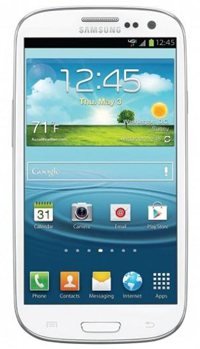
Galaxy S3

galaxy s3

Droid DNA

Droid DNA htc

Size 139 x 71 x 7.9 (mm) 136.6 x 70.6 x 8.6 (mm) 140.9 x 70.6 x 9.7 (mm)
Weight 146g 133g 140g
Screen 5-inch HD Reality Display 4.8-inch Super AMOLED 5-inch Super LCD 3
Resolution 1920×1080 pixels 1280×720 pixels 1920×1080 pixels
OS Android 4.1 (Jelly Bean) Android 4.0 with TouchWiz UI Android 4.1 with HTC Sense 4+
Storage Up to 16GB 16/32GB 16GB
SD Card Slot Yes Yes No
Processor 1.5GHz, quad-core Snapdragon S4 Pro Dual-core Snapdragon S4 (US) 1.5GHz, quad-core Snapdragon S4 Pro
RAM 2GB 2GB 2GB
Connectivity Wi-Fi, 4G LTE, HSPA+ Wi-Fi, 4G LTE, HSPA+ Wi-Fi, 4G LTE, EV-DO Rev.A
Camera Front 2.1MP, Rear 13MP Front 1.9MP, Rear 8MP Front 2.1MP, Rear 8MP
Bluetooth Yes, version 4.0 Yes, version 4.0 Yes, version 4.0
Battery 2330mAh 2100mAh 2020mAh
Charger Micro USB Micro USB Micro USB
Marketplace Google Play Store Google Play Store Google Play Store
Price TBA $200+ $200
Availability TBA AT&T, Sprint, T-Mob, Verizon Verizon

Once all is said and done, the Xperia Z actually stacks up quite well against the competition. It pulls ahead of the Galaxy S3 in quite a few categories – understandable as the S3 is getting a bit old by now (at least by tech standards). As far as the Droid DNA, the Xperia Z matches the HTC device’s high-resolution display and quad-core processor. In terms of camera and battery life, however, the Xperia Z takes the lead. The camera is to be expected, especially with Sony’s intense focus on photography. Nevertheless, a slightly better camera and improved battery life doesn’t exactly blow the competition out of the water. As usual, only time will tell whether or not Sony can pull off the impossible and take the lead on the Android front.


Source : http://www.digitaltrends.com/mobile/xperia-z-vs-galaxy-s3-vs-droid-dna-spec-showdown/

AT&T sets new record, sells 10 million smartphones in Q4

AT&T is still not ready to reveal all the details regarding its financial Q4, but it can already confirm that the last quarter of 2012 has been its most successful yet.

The carrier managed to beat its own record, shipping more than 10 million smartphones from October through December, which adds up to just over 110 000 smartphones per day. AT&T's CEO Ralph de la Vega also said that the quarter saw record sales of Android smartphones and iPhones.

Interestingly, Mr. De La Vega didn't say anything about record WP8 sales, despite the Lumia 920 exclusivity that AT&T is enjoying in the US and the bold claims by Steve Ballmer.

The previous AT&T record was set in Q4 of 2011 and stood at 9.4 million smartphones sold.

AT&T will release its full Q4 financial report on January 24.

Source


Source : http://www.gsmarena.com/at_t_sets_new_record_10_million_sold_smartphones_in_q4-news-5317.php

Microsoft sold 5 times more phones this Christmas season

With Microsoft being a major Qualcomm partner, last night Steve Ballmer dropped by Qualcomm's press conference and shared on stage that Windows Phones are enjoying increasing popularity.

Of course, he didn't mention any specific numbers, but what he did say is in November 2012 they've sold 4 time more smartphones than the same time last year.

And even better, around this holiday season, that number rose to 5 times the last year's Christmas sales.


Now we wouldn't count on this to be any serious number given that analysts have found Microsoft's market share to actually shrink in the US this November compared to August. And Windows Phone is still at the bottom of the mobile OS ladder besting only the dying Symbian breed.

Anyway, we guess even analysts don't know the exact number so these are just estimates. In fact, nobody will know anything certain before Microsoft themselves announce a proper number for smartphone activations - something, which is hardly going to happen anytime soon.

While we were watching Qualcomm's press conference, we couldn't help but snap a few more screenshots with Steve Ballmer being such an expressive stage speaker as usual. We hope you appreciate the humor in the situation, we are by no means trying to belittle Microsoft's efforts and their otherwise top-notch mobile operating system.


Steve Ballmer presenting Windows Phone at Qualcomm's press event

Interested to hear the man speak himself, checkout the video in the source link below. You might want to fast forward to 19:00m to get to the part about smartphones. It's only 2-3 minutes long.

Source | Via
Source : http://www.gsmarena.com/microsoft_sold_5_times_more_phones_this_christmas_season-news-5316.php

Verizon hints it would be up for buying Vodafone’s share of the network

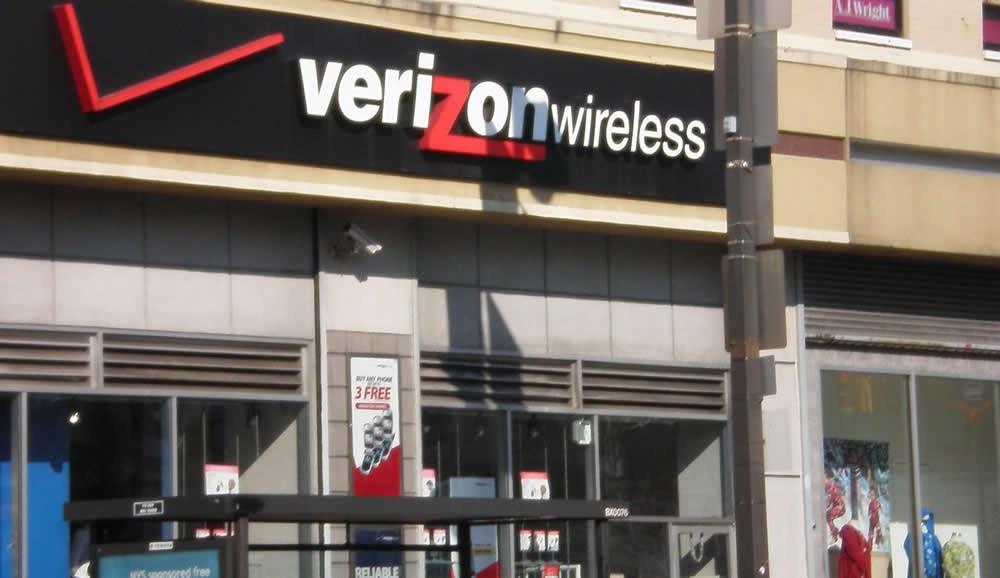
verizon storefront

In an interview at CES 2013, the CEO of Verizon has said he would consider buying out Vodafone’s 45-percent stake in the network, despite the currently good relationship between the two firms.

ces-mobile

Verizon is a joint venture owned by both Verizon Wireless and the Vodafone Group, however in an interview with the Wall Street Journal at CES 2013, Verizon’s CEO says a buyout of Vodafone’s stake in the company would be, “Feasible.” As it stands at the moment, Verizon Wireless has a controlling 55-percent stake, while Vodafone retains the other 45-percent.

The newspaper quotes CEO Lowell McAdam as saying, “We have always said we would love to own all of that asset,” to which he added he considers such a deal to be feasible as, “our wireline business is getting stronger and as that gets stronger, it makes it easier.”

Verizon was formed after Bell Atlantic and Vodafone got together in late 1999, following an opportune acquisition of AirTouch by Vodafone earlier in the year, a time when the U.S. mobile market was a very different place. A report by CNN Money says the two companies expected to initially serve 20 million wireless customers, considerably less than the 90 million subscribers it has today.

After dividend payouts dried up in 2006, the relationship between the two companies has been fractious, with talk from both sides about a buyout. In 2006, Verizon was reported to be in talks with Vodafone to buy back its share of the company, then in 2007, Vodafone was said to be considering a $160 billion offer for Verizon’s share. Despite these intentions, no deal was ever reached. An estimated $10 billion dividend payment was made in 2011, then another $8.5 billion in 2012, which has since smoothed over the relationship.

Despite all this talk of a buyout, Verizon’s McAdam told the WSJ, “I don’t feel compelled to go out and take action to make something happen,” indicating he’s only laying the groundwork should Vodafone be considering a sale. According to Bloomberg, Vodafone’s board reviews its investment in Verizon twice a year, and CEO Vittorio Colao has said he “wouldn’t rule out exiting the business in the future.”

As of now though, he said the partnership, “Is going very well,” a point which Verizon’s McAdam agreed with, saying the company is, “functioning well and consolidation of the ownership isn’t necessary.”


Source : http://www.digitaltrends.com/mobile/verizon-says-it-would-consider-buying-vodafones-stake-in-network/

Cheaper iPhone with larger screen and new design set for emerging markets, report claims

We’re only a week into 2013 and the Apple rumor mill is already turning at top speed, with a report on Tuesday adding to earlier suggestions that the tech giant is prepping a cheaper handset for emerging markets – only this one apparently has a larger screen and “a brand new exterior design.”

It’s not the first time we’ve heard talk of Apple prepping a cheaper iPhone for emerging markets, but this latest piece of information offers a few more details (perhaps).

According to a report on Tuesday from Digitimes – a tech website whose sources, it has to be said, don’t always prove reliable – Apple is gearing up to launch a new-look iPhone for China and other emerging markets in the second half of this year.

The report states that sources in the supply chain claim to have seen the low-cost device, which apparently has a larger display than the current 4-inch screen found on the iPhone 5. The report also says the device will have “a brand new exterior design.”

A cheaper Apple handset with a larger screen conflicts with a report last week which suggested the Cupertino company had Samsung’s Galaxy S3 Mini in its sights. Strategy Analytics’ Neil Mawston told Reuters he believed Apple would have to launch an ‘iPhone Mini’ at some point “to address the hundreds of millions of prepaid users worldwide that cannot afford the current iPhone.”

A device with a smaller or same-sized display aimed at emerging markets certainly makes more sense than a device with a larger screen – something that many owners of the current iPhone might actually want – so perhaps what Digitimes’ sources have actually seen is the iPhone 5S or 6.

That would fit with what Topeka Capital Markets researcher Brian J. White told Reuters last week – he predicts the tech giant will release an iPhone 5S model with a variety of screen sizes in around four months’ time. He also floated the idea that the company will launch a smaller, cheaper iPhone for emerging markets.

Analyst Peter Misek, who doesn’t have a bad track record when it comes to predictions regarding Apple, said last month he thinks a low-cost iPhone could hit the market in the middle of this year for between $200 and $250.

With emerging markets offering Apple the possibility of a new and lucrative revenue stream, it appears to be a case of not if it’s going to launch a cheaper iPhone model, but when.


Source : http://www.digitaltrends.com/mobile/cheaper-iphone-for-emerging-markets/